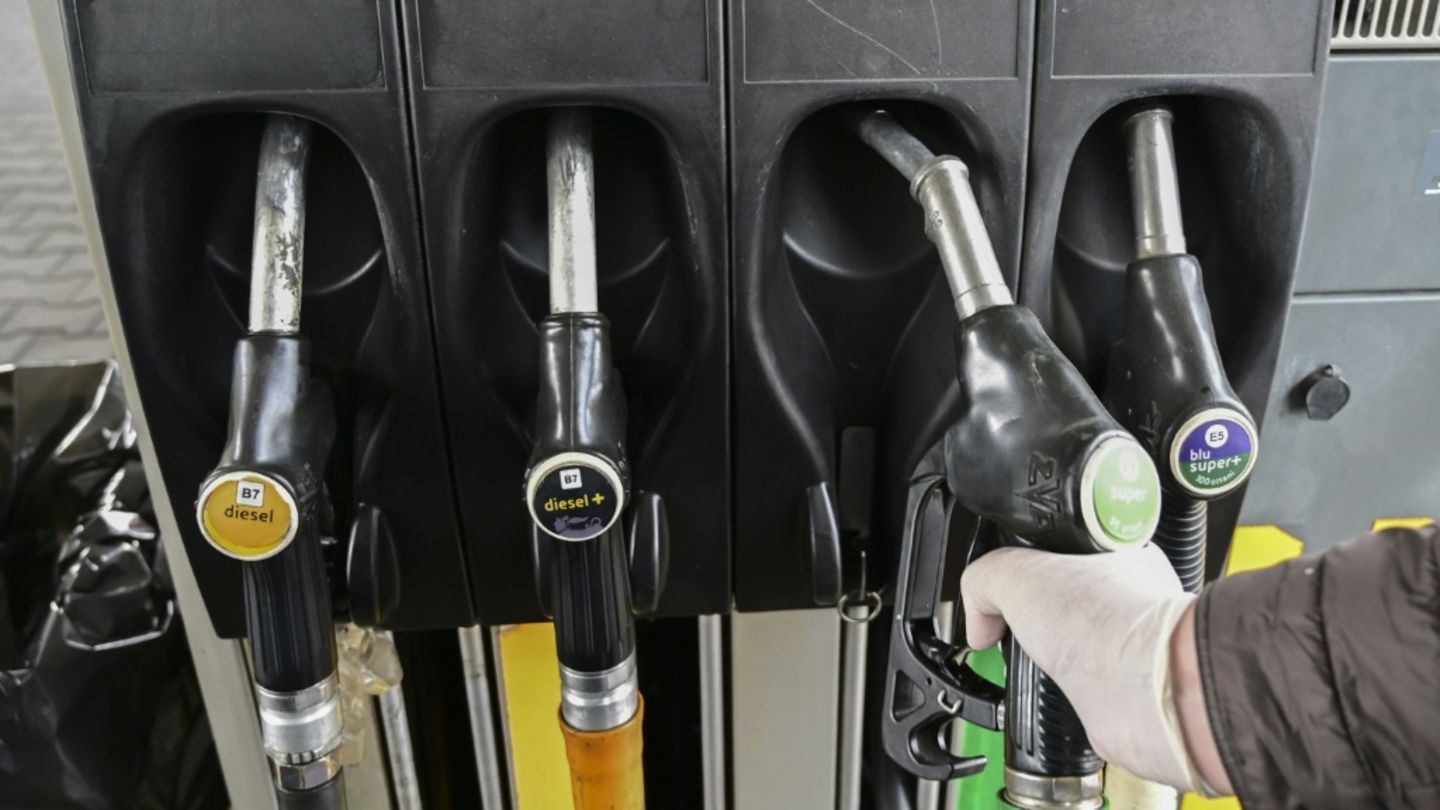
Germany's Fuel Crisis: Oil Companies Rake in Profits, Public Pays Price
Amid escalating geopolitical tensions, specifically citing the impact of the Iran-War, Germany finds itself grappling with a severe fuel crisis. Pump prices have soared to unprecedented levels, pushing diesel beyond the two-euro mark per litre and super petrol (E10) perilously close. This dramatic increase has ignited a fierce public debate and widespread criticism, particularly directed at major oil companies. While citizens and businesses struggle with the crippling cost of mobility, accusations are mounting that energy giants are leveraging global instability to rake in exorbitant profits, underscoring the simmering tension between corporate gain and public burden. Indeed, the current climate has led many to echo the sentiments found in recent discussions, highlighting how
Oil Giants are Accused of "Predatory Capitalism" Amid Soaring Fuel Prices.
The Sharp Rise: A Crisis at the Pumps
The recent surge in fuel prices has turned daily commutes into a financial strain for millions of Germans. Since late February 2026, the cost of filling up has become a central point of frustration, with diesel prices breaching the psychological €2 per litre barrier and E10 petrol following closely behind. This isn't merely an inconvenience; it represents a significant increase in living costs for households and operational expenses for businesses reliant on transportation.
The impact is palpable at petrol stations across the country. Operators report increasing levels of customer anger and despair. Drivers are not only seeing their budgets stretched but are also reportedly seeking cheaper alternatives across borders, leading to longer queues at foreign pumps where prices might be slightly lower. This exodus highlights the severity of the situation and the desperation of consumers seeking any relief from the unrelenting price hikes. For many, the ability to travel for work, family, or leisure is increasingly compromised, threatening to stifle economic activity and social cohesion.
Accusations of "Predatory Capitalism": The Tank Station Perspective
The loudest and most scathing criticism comes from within the industry itself – specifically from tank station operators. These small business owners, who are at the front lines of public frustration, feel powerless and exploited. Herbert Rabl, spokesperson for the Tankstellen-Interessenverband (TIV – Tank Station Interest Association), minced no words in his assessment, calling the current situation "predatory capitalism like in the 19th century" and declaring it fundamentally incompatible with the principles of a social market economy.
Rabl's core argument, which forms the crux of the
ölkonzerne spritpreise kritik, is deeply unsettling: oil companies are allegedly selling fuel at pump prices that far exceed their original purchase and refining costs. He argues that crude oil bought at significantly lower prices, refined, and often stored in underground tanks, is now being sold at drastically inflated rates, leveraging current market conditions rather than reflecting true acquisition costs. Rabl terms this practice "rip-off" (Abzocke).
Tank station operators themselves have virtually no influence over pump prices; these are dictated by the major mineral oil corporations. Consequently, it is the station employees and owners who face the direct brunt of angry customers, despite being mere franchisees in the pricing chain. This frustration extends beyond the pumps. Rabl points out that exasperated customers, after begrudgingly filling their tanks, are increasingly skipping purchases from the convenience shops. This has a severe financial impact on operators, as shop sales typically account for about 60% of their total revenue, while fuel sales contribute only around 20%. The current pricing strategy, therefore, not only burdens consumers but also jeopardises the livelihoods of independent tank station owners. Similar sentiments have been echoed by associations in Eastern Germany, reinforcing the widespread discontent.
Record Profits Amidst Public Strain: The Oil Giants' Stance
While the public and smaller businesses struggle, reports indicate that major oil corporations are enjoying exceptionally high profits. According to a report by "Handelsblatt," global giants like ExxonMobil, Shell, Total Energies, and BP are recording substantial earnings, even as the global economy suffers from soaring energy prices and rampant inflation.
Oil companies, in response to these criticisms, often cite the "mechanisms of the market" as justification for their pricing strategies. They argue that global oil prices are subject to supply and demand, geopolitical events, and currency fluctuations, all of which influence the final price at the pump. While this is true to a certain extent, critics like Rabl contend that this explanation falls short when considering the alleged practice of selling pre-purchased, cheaper stock at inflated current market prices. This strategy allows companies to profit not just from current market dynamics but also from the advantageous timing of their earlier acquisitions, effectively increasing profit margins without a proportional increase in operational costs. The disconnect between these immense corporate profits and the escalating financial burden on ordinary citizens fuels the intensity of the
ölkonzerne spritpreise kritik.
A "Toothless Tiger"? Germany's Antitrust Office Under Scrutiny
In the face of such widespread accusations of exploitation, the role of Germany's antitrust watchdog, the Bundeskartellamt (Federal Cartel Office), comes into sharp focus. However, hope for intervention from this quarter remains low among critics. Herbert Rabl, reflecting a common sentiment, views the Kartellamt as a "toothless tiger" in this context. He argues that while the agency can investigate potential price collusion or anti-competitive practices, the current high prices might not technically cross the legal threshold for "Wucher" (usury) under German law, which typically requires exploitation through significantly disproportionate pricing.
The challenge for the Kartellamt lies in proving actual anti-competitive agreements rather than simply observing parallel price increases driven by market conditions or anticipatory pricing. Without clear evidence of illegal collusion, the watchdog's hands are often tied. This legal nuance often leaves consumers feeling unprotected and regulatory bodies seemingly ineffective, further intensifying the debate around
ölkonzerne spritpreise kritik. For a deeper dive into this issue, you can explore why Germany's regulatory bodies face such challenges in addressing price hikes in our related article:
"Toothless Tiger": Why Germany's Kartellamt Can't Halt Fuel Price Hikes.
Policy Debates and Potential Solutions
The political landscape in Germany is equally embroiled in discussions about how to alleviate the burden on citizens. The current Ampel-Koalition (traffic light coalition) is reportedly exploring various measures to cushion the blow of high energy prices. However, some proposals, like a temporary fuel discount (Tankrabatt) similar to one introduced in 2022, have met with skepticism and outright rejection from voices like Rabl. He argues that subsidizing fuel prices merely serves to indirectly finance the oil companies' inflated profits, rather than addressing the root cause of the problem. Bundeswirtschaftsministerin (Federal Minister for Economic Affairs) Katherina Reiche had also previously ruled out such a measure.
Instead, critics and some politicians are calling for more robust action, including potential discussions around higher taxes on the extraordinary profits of oil companies. This approach aims to redirect some of these windfall profits back to the public, offering relief without directly subsidizing corporate pricing strategies.
Beyond immediate relief measures, the crisis underscores the urgent need for long-term strategies. Reducing Germany's dependence on volatile international oil markets through accelerated investment in renewable energy sources, expanding public transport networks, and promoting electric mobility are seen as crucial steps towards energy independence and price stability.
For individual consumers navigating this difficult period, there are practical steps, albeit limited, to mitigate costs:
- Price Comparison Apps: Utilise real-time fuel price comparison apps and websites to find the cheapest petrol stations in your vicinity. Prices can vary significantly even within a few kilometres.
- Eco-Driving: Adopt fuel-efficient driving habits, such as avoiding rapid acceleration and braking, maintaining a steady speed, and reducing high-speed driving. Regular vehicle maintenance, including checking tire pressure, also helps.
- Alternative Transport: Explore public transportation, cycling, or car-sharing options for shorter distances or regular commutes to reduce reliance on personal vehicles.
- Optimise Travel: Combine errands into fewer, more efficient trips to minimise overall mileage.
Conclusion
Germany's current fuel crisis represents a complex interplay of global geopolitical events, market mechanisms, and corporate strategies, all converging to place an immense financial strain on ordinary citizens and small businesses. The powerful
ölkonzerne spritpreise kritik from tank station associations, politicians, and consumers highlights a fundamental distrust in the fairness of current pricing models. While oil companies defend their profits through market mechanisms, the perception of "predatory capitalism" and "rip-offs" persists, fuelled by the stark contrast between record corporate earnings and household budget crises. The perceived helplessness of regulatory bodies like the Kartellamt and the rejection of short-term subsidies further complicate the path to relief. Ultimately, addressing this crisis demands not only immediate political responses to mitigate consumer burden but also a sustained, long-term commitment to energy independence and robust regulatory oversight to ensure that market power is not exploited at the expense of public welfare.