Germany's Fuel Fury: Why the Kartellamt Struggles to Contain Soaring Prices
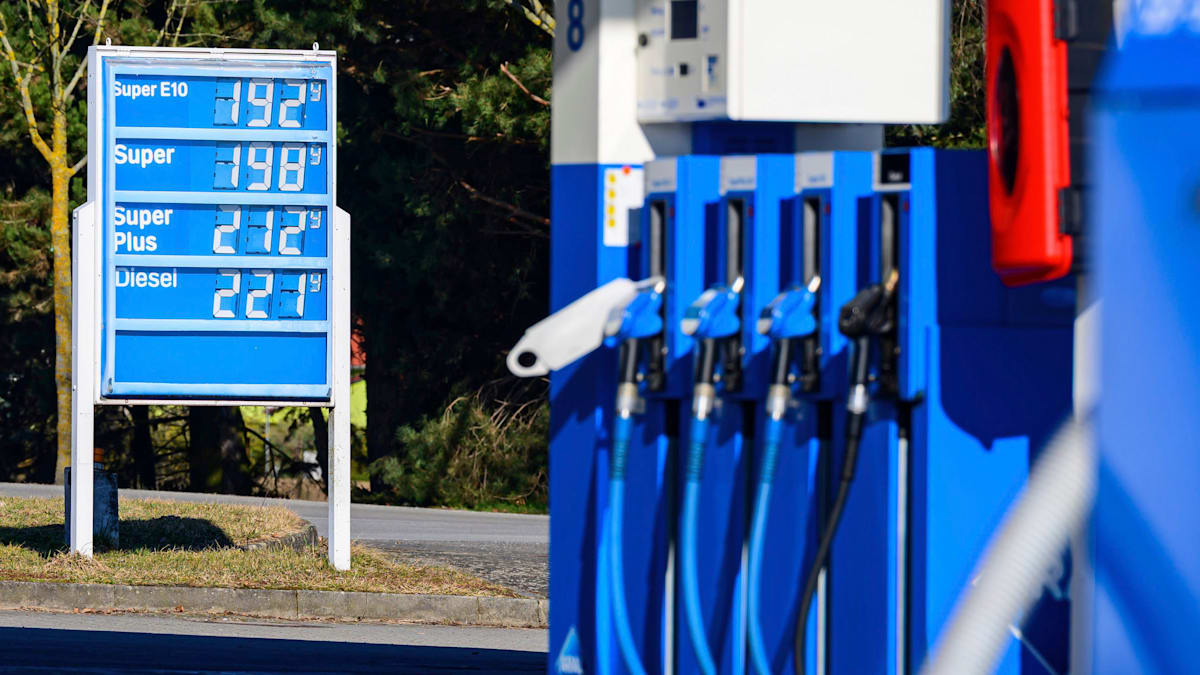
Germany is once again gripped by a collective groan at the fuel pump. As geopolitical tensions, particularly those stemming from the Iran conflict, send crude oil prices spiraling, German motorists face an increasingly expensive reality. Diesel surpassing the two-euro mark and E10 petrol hovering just below it has become commonplace, igniting widespread anger and frustration. Yet, amidst the fervent public outcry and accusations of "predatory capitalism" directed at oil giants, a crucial question emerges: Why does Germany's Federal Cartel Office, the Kartellamt, appear so powerless to intervene?
The sentiment on the ground is clear: many perceive the Kartellamt as a "toothless tiger," an authority with bark but no bite when it comes to reining in the seemingly unchecked power of mineral oil corporations. This article delves into the core of this frustration, exploring the accusations against oil companies, the limitations of regulatory bodies, and what these persistent price hikes mean for consumers and the German economy.
The Roar of Discontent: Accusations Against Oil Corporations
The sharp rise in fuel prices has unleashed a torrent of ölkonzerne spritpreise kritik (criticism of oil companies regarding fuel prices) from various quarters. Tank station operators, caught between the unyielding pricing policies of the major oil companies and the fury of their customers, are particularly vocal. Herbert Rabl, spokesperson for the Tankstellen-Interessenverband (TIV), minced no words, lambasting the situation as "predatory capitalism like in the 19th century," completely at odds with the principles of a social market economy.
The primary accusation leveled against these giants – including familiar names like ExxonMobil, Shell, TotalEnergies, and BP – is one of opportunism and unjust enrichment. Critics allege that oil companies purchase crude oil at lower, pre-conflict prices, refine it, and store it. Then, as global events trigger price hikes, they sell this pre-purchased fuel at significantly inflated rates, far beyond their initial cost calculations. Rabl starkly labels this practice as "Abzocke" – a rip-off.
Tank station tenants, who operate under contracts with these corporations, find themselves in an impossible position. They have virtually no influence over pump prices, which are dictated entirely by the oil companies. Yet, it's these local operators and their staff who face the daily brunt of motorist frustration. Hans-Joachim Rühlemann, chairman of the Verband des Garagen- und Tankstellengewerbes (VGT) Nord-Ost, confirms that "colleagues at the tills definitely experience the people's displeasure very clearly." This not only creates an unpleasant working environment but also impacts their crucial secondary income, as angered customers skip shop purchases, which typically account for a significant 60% of a station's total turnover.
The mineral oil industry, for its part, often defends these price increases as "precautionary measures" in the face of geopolitical instability or simply attributes them to the "mechanisms of the market." However, this justification rings hollow for many, especially when reports consistently highlight the immense profits these same corporations are declaring.
The "Toothless Tiger": Why the Kartellamt Can't Bite
Despite the palpable anger and the strong allegations, Germany's Federal Cartel Office, the Kartellamt, often appears to be a bystander rather than an enforcer. This perceived ineffectiveness is at the heart of the "toothless tiger" analogy. The core issue lies in the specific legal framework under which the Kartellamt operates and the high bar for proving anti-competitive behavior or illicit pricing.
The Kartellamt's mandate is to prevent cartels, abuses of market dominance, and anti-competitive mergers. However, simply charging high prices, even if seen as unfair by consumers, does not automatically constitute a legal offense. For the Kartellamt to intervene forcefully, it generally needs to demonstrate one of two things:
- Cartel Behavior: Evidence of collusion between competing oil companies to fix prices, rather than prices being determined by market forces. Proving such explicit agreements in a complex, global market is exceedingly difficult.
- Abuse of Market Dominance: If one or a few companies hold such a dominant position that they can dictate prices without genuine competition, and they exploit this dominance excessively. While Germany has a few large players, proving that their prices are *abusive* rather than merely high due to market conditions or cost structures is legally challenging.
Furthermore, the legal threshold for "usury" (Wucher) – prices so excessively high as to be morally and legally reprehensible – is extremely high and rarely met in the context of everyday goods like fuel. While two euros a liter feels extortionate to the average motorist, it typically falls short of the conditions required for a legal finding of usury. As Herbert Rabl observed, current prices, while steep, are often not deemed high enough to constitute a legal basis for intervention by the Kartellamt under existing statutes. This explains why investigations by authorities, such as those initiated by politicians like then-Federal Minister of Economics Katherina Reiche, often fail to yield actionable results against the corporations.
The Profit Paradox: Oil Giants' Gains vs. Consumer Burden
The frustration is compounded by the stark contrast between the financial struggles of ordinary citizens and the booming balance sheets of major oil companies. Reports, such as those cited by "Handelsblatt," consistently show that while the global economy grapples with soaring energy prices and rampant inflation, oil giants like ExxonMobil, Shell, TotalEnergies, and BP are raking in record profits. This discrepancy fuels the perception that oil companies are exploiting global instability to maximize shareholder returns at the expense of consumers. The argument that these are simply "market mechanisms" loses credibility when profits soar during times of crisis, while the burden of high prices falls squarely on the public.
Politicians and consumer advocates have repeatedly highlighted these exorbitant profits, calling for stronger measures. However, the political landscape is complex, with discussions in the Ampel coalition often revolving around various measures to cushion the blow for citizens, rather than directly tackling corporate pricing strategies.
Beyond the Blame: What Can Be Done?
If the Kartellamt is indeed a "toothless tiger," what alternative solutions exist to address the recurrent issue of escalating fuel prices and the widespread ölkonzerne spritpreise kritik?
1. Rethink Subsidies and Taxation
The idea of a "Tankrabatt" (fuel discount), as temporarily implemented by the German government in 2022, is largely dismissed by critics like Herbert Rabl. Subsidizing price increases effectively means channeling taxpayer money directly into the coffers of oil companies, rather than genuinely alleviating the burden or addressing the root cause. A more impactful approach could involve:
- Windfall Taxes: Implementing a special tax on the excessive, crisis-driven profits of oil companies. This would redistribute some of the unexpected gains back to the public or fund energy transition initiatives.
- Targeted Relief: Direct financial aid to low-income households, which are disproportionately affected by rising energy costs, rather than blanket subsidies that benefit everyone, including those who don't need it.
2. Enhance Regulatory Oversight and Transparency
While outright price fixing is hard to prove, there's a strong argument for strengthening the Kartellamt's powers and mechanisms. This could include:
- Real-time Monitoring: More granular, real-time monitoring of pricing strategies and profit margins across the supply chain, from crude acquisition to pump sales.
- Increased Transparency: Demanding greater transparency from oil companies regarding their cost structures, inventory management, and pricing algorithms to better understand the justification for price fluctuations.
- Broader Anti-Abuse Powers: Revisiting competition laws to potentially lower the threshold for intervention in cases of perceived price gouging during crises, even if it doesn't meet the strict definition of usury.
3. Empower Consumers and Promote Alternatives
While systemic change is crucial, individual actions can also help mitigate the impact:
- Strategic Fueling: Utilize price comparison apps (like ADAC Spritpreise) to identify the cheapest stations in your area and fill up at optimal times (often evenings).
- Driving Habits: Adopt fuel-efficient driving techniques, such as anticipating traffic, maintaining steady speeds, and regular vehicle maintenance.
- Alternative Mobility: Whenever possible, opt for public transport, cycling, or walking. Consider car-sharing models.
- Long-Term Transition: For those considering new vehicle purchases, explore electric or hybrid options to reduce long-term reliance on fossil fuels.
Conclusion
The current wave of fuel price hikes in Germany is more than just an economic challenge; it's a test of public trust and the efficacy of regulatory bodies. The loud ölkonzerne spritpreise kritik underscores a profound frustration with a system that appears to allow powerful corporations to profit significantly during times of crisis, while the average citizen bears the brunt. While the Kartellamt faces genuine legal hurdles that make it seem like a "toothless tiger," there is a clear demand for more robust political action, enhanced regulatory frameworks, and innovative solutions that move beyond simply lamenting the problem. Only through a multifaceted approach – combining stricter oversight, fairer taxation, and a genuine push towards sustainable energy independence – can Germany hope to tame the wild fluctuations of fuel prices and restore confidence in its social market economy.