Oil Giants Accused of "Predatory Capitalism" Amid Soaring Fuel Prices
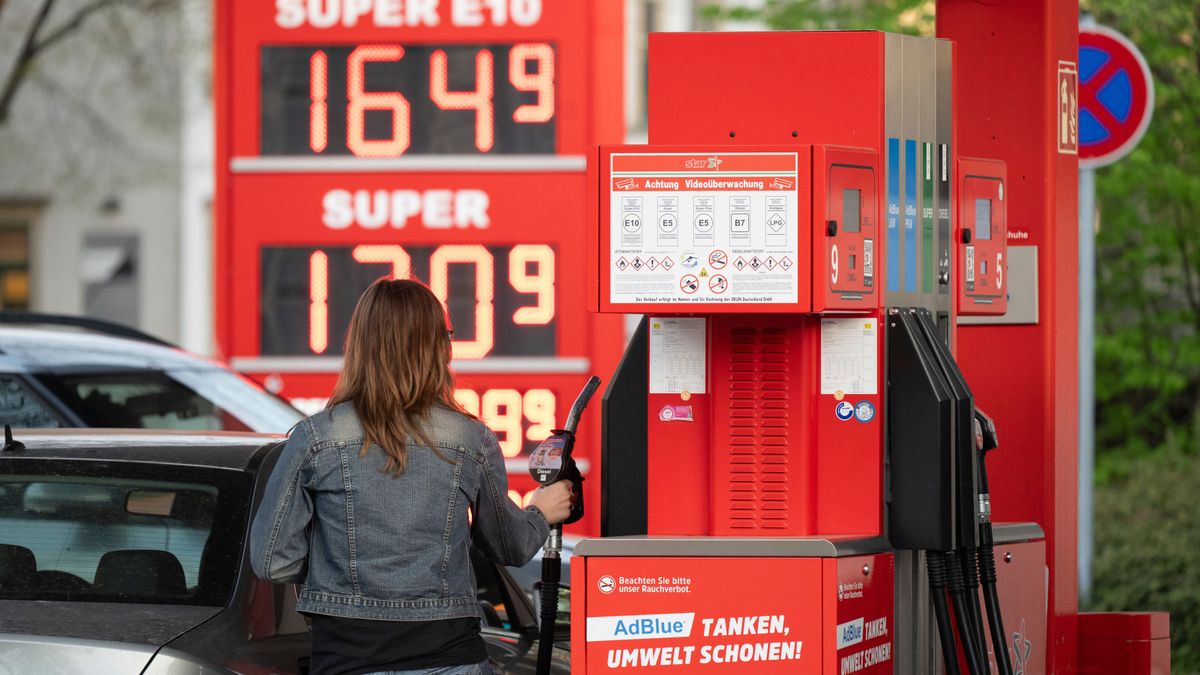
Germany is grappling with an escalating fuel crisis, as pump prices climb to unprecedented levels, pushing consumers to their limits and drawing sharp criticism from industry representatives and politicians alike. The situation, exacerbated by geopolitical tensions, particularly the Iran War, has ignited a fierce debate about the ethics of corporate profiteering during times of crisis. Accusations of "predatory capitalism" are being hurled at major oil corporations, suggesting a blatant disregard for the principles of a social market economy. This escalating discontent highlights a significant disconnect between the struggling populace and the seemingly unbridled pursuit of profits by fuel giants.
The Core of the Accusation: "Predatory Capitalism" in Action
The sharpest condemnation comes from Herbert Rabl, spokesperson for the Tankstellen-Interessenverband (TIV), Germany's filling station association. Speaking to the "Stuttgarter Zeitung," Rabl didn't mince words, describing the current pricing strategies of mineral oil corporations as "predatory capitalism like in the 19th century," asserting that it has "nothing to do with a social market economy." This blistering
ölkonzerne spritpreise kritik (criticism of oil companies regarding fuel prices) centers on a crucial point: the alleged discrepancy between the purchase price of crude oil and the subsequent sale price at the pump.
Rabl argues that oil companies acquire crude oil at significantly lower prices, refine it, and then store it in their underground tanks beneath filling stations. When global events, such as the Iran War, trigger price hikes, these companies then sell the previously inexpensive fuel at drastically inflated rates – prices they never initially calculated for. This practice, Rabl contends, is nothing short of "rip-off," leading to immense frustration among consumers and tank station operators alike. The underlying sentiment is that these companies are exploiting a crisis to maximize profits, rather than absorbing some of the costs or passing savings to consumers when circumstances permit.
The Frontline of Frustration: Tank Station Operators and Consumers
While the blame largely falls on the oil giants, it's the local tank station operators and their employees who bear the brunt of public anger. Herbert Rabl emphasizes that station lessees have absolutely no influence over the prices displayed at the pump; these are dictated entirely by the mineral oil companies. Consequently, when drivers are confronted with record-high prices, their frustration is inevitably directed at the staff on the ground. "The colleagues at the cash registers are, of course, very clearly experiencing the displeasure of the people," echoed Hans-Joachim Rühlemann, chairman of the Association of Garage and Filling Station Businesses (VGT) Nord-Ost, reflecting similar concerns from East German operators.
This customer frustration extends beyond the pump, significantly impacting the broader business model of filling stations. Rabl highlights that angry customers, disheartened by exorbitant fuel costs, are increasingly unwilling to make purchases from the accompanying convenience shops. This is a critical issue for operators, as shop sales typically account for about 60 percent of a station's total turnover, while revenue from fuel sales contributes a mere 20 percent. The current environment, therefore, not only erodes consumer trust but also jeopardizes the financial viability of independent station operators, who are caught in the crossfire of corporate pricing strategies and public outrage. The observable queues at foreign petrol stations, a direct consequence of consumers seeking cheaper alternatives, further underscore the depth of public frustration.
A "Toothless Tiger"? Regulatory Challenges and Policy Debates
In the face of such widespread
ölkonzerne spritpreise kritik, questions naturally arise about the role of regulatory bodies. The German Bundeskartellamt (Federal Cartel Office) is often seen as the primary authority to intervene in cases of market abuse. However, Herbert Rabl remains deeply skeptical of its effectiveness in this particular crisis, labeling the Cartel Office a "toothless tiger." His rationale is straightforward: while prices are indeed painfully high for consumers, they may not yet meet the stringent legal definition of "usury" (Wucher), which would typically be required for intervention. This legal technicality effectively handcuffs the regulator, preventing it from taking decisive action even when market practices appear exploitative to the public.
Policymakers, including then-Federal Minister of Economics Katherina Reiche, have explored various measures to alleviate the burden on citizens. One option previously debated was a temporary fuel rebate, similar to one introduced by the German government in 2022. However, both Reiche and Rabl have dismissed this as an unviable solution. Rabl argues that it would be illogical to "subsidize the price increases of the corporations," essentially using taxpayer money to cushion the impact of what he perceives as corporate profiteering. This rejection highlights a broader policy dilemma: how to address soaring prices without inadvertently legitimizing or enabling the very practices causing the problem. For a deeper dive into why the German Cartel Office struggles to curb these price hikes, you might find this article insightful:
"Toothless Tiger": Why Germany's Kartellamt Can't Halt Fuel Price Hikes.
Soaring Profits vs. Consumer Burden: The Widening Gulf
The backdrop to this entire debate is the stark contrast between the financial struggles of average citizens and the burgeoning profits reported by major oil and gas companies. While German fuel prices surged past the two-euro mark per liter – diesel first on March 4th and E10 Super close behind – leading to significant inflationary pressures across the economy, oil giants like ExxonMobil, Shell, Total Energies, and BP have reportedly been raking in record profits. A "Handelsblatt" report underscored this widening gulf, noting that these corporations are achieving substantial financial gains even as the global economy suffers under high energy costs.
The companies, while not denying their robust earnings, typically attribute their financial success to the "mechanisms of the market." They argue that prices are determined by global supply and demand, geopolitical risks, and the inherent volatility of commodity markets. However, for many politicians and consumer advocates, this explanation rings hollow when ordinary citizens are struggling to afford essential transport. The ruling Ampel-Koalition in Germany is actively discussing various measures to mitigate the energy price burden on citizens, but a clear, effective strategy remains elusive. To understand more about the financial disparity between oil companies and the public during Germany's fuel crisis, check out:
Germany's Fuel Crisis: Oil Companies Rake in Profits, Public Pays Price.
Navigating the High Costs: Tips for Consumers and Future Outlook
While the structural issues and corporate strategies are debated at higher levels, consumers are left to cope with the immediate impact of high fuel prices. Here are some practical tips for drivers to mitigate the financial strain:
*
Drive Efficiently: Adopt a smooth driving style, avoid aggressive acceleration and hard braking, and maintain a consistent speed. This can significantly improve fuel economy.
*
Check Tire Pressure: Properly inflated tires reduce rolling resistance and can save fuel.
*
Reduce Weight: Remove unnecessary items from your vehicle, as extra weight increases fuel consumption.
*
Compare Prices: Use fuel comparison apps to find the cheapest petrol stations in your area. Prices can vary significantly even within short distances.
*
Consider Alternatives: For shorter distances, opt for public transport, cycling, or walking whenever possible.
*
Car-Sharing: Explore car-sharing options for regular commutes to share fuel costs.
Looking ahead, the ongoing
ölkonzerne spritpreise kritik is likely to intensify, particularly if geopolitical tensions persist and corporate profits continue to climb while consumer spending power diminishes. The crisis underscores the urgent need for greater transparency in fuel pricing, robust regulatory frameworks that can truly protect consumers from perceived exploitation, and a long-term shift towards sustainable energy solutions that reduce dependence on volatile fossil fuel markets.
Conclusion
The accusations of "predatory capitalism" leveled against oil giants amid Germany's soaring fuel prices resonate deeply with frustrated consumers and beleaguered filling station operators. The narrative of corporations profiting massively from global crises, while ordinary citizens and small businesses struggle, raises fundamental questions about market ethics and corporate responsibility. With the Bundeskartellamt seemingly constrained by legal definitions and policy options proving contentious, the road to a fair and sustainable resolution remains challenging. The current situation demands not only immediate relief measures for citizens but also a critical re-evaluation of how market power is exercised and regulated in an increasingly volatile global economy.